A reliable boiler is the heart of a comfortable home, especially during the often damp and chilly Galway winters. However, as boilers age, they inevitably become less efficient, more prone to costly breakdowns, and potentially even dangerous. Knowing when to upgrade to a modern high-efficiency unit can save you from a cold house, high emergency repair bills, and wasted fuel money.
Table of Contents
- 1. Frequent Breakdowns & Repair Costs
- 2. Safety First: Carbon Monoxide Warning Signs
- 3. Rising Energy Bills & Lack of Efficiency
- 4. Strange Noises (Banging, Whistling, Gurgling)
- 5. Slow to Heat Up & Zero Pressure
- 6. Your Boiler is Over 12-15 Years Old
- 7. SEAI Grants: How much can you save?
- 8. Why 'Power Flushing' is Essential for New Boilers
- 9. Best Boiler Brands for Galway Homes
- 10. Frequently Asked Questions (FAQ)
1. Frequent Breakdowns & Repair Costs
If you're calling a plumber more than once a year for boiler repairs, the costs are likely already spiraling out of control. Beyond the immediate expense of the call-out fee and parts, frequent breakdowns cause significant disruption to your daily life, often at the worst possible times during a Galway cold snap. In areas like Moycullen or Claregalway, where winter temperatures can drop sharply, a sudden heating failure is more than just an inconvenience—it can lead to frozen pipes and further structural damage.
An older boiler becomes increasingly unreliable as internal components—such as the heat exchanger, pump, or fan—reach the end of their operational lifespan. This leads to a cycle of repairs that eventually exceeds the total cost of a modern replacement. Investing that money into a new, warrantied boiler is often the smarter financial move, giving you peace of mind and long-term reliability. At B Collins Plumbing, we often say: "If the repair cost is more than 50% of the value of a new unit, it's time to switch." Replacing a failing fan or a cracked heat exchanger on a 15-year-old boiler is often "throwing good money after bad."
2. Safety First: Carbon Monoxide Warning Signs
This is the most critical section of this guide. A faulty boiler isn't just inefficient; it can be deadly. Carbon Monoxide (CO) is a colorless, odorless gas produced by incomplete combustion. If your boiler is not burning fuel correctly, it could be leaking CO into your home. While every Galway home should have a working CO alarm, you should also look for these physical "warning signs":
- Yellow or Orange Flame: Instead of a crisp blue flame, a yellow or "lazy" orange flame indicates poor combustion.
- Soot or Scorching: Dark stains or soot marks on the boiler casing or around the pipework.
- Pilot Light Blowing Out: If the pilot light frequently goes out, it may indicate a larger draft or combustion issue.
- Physical Symptoms: If family members experience headaches, dizziness, or nausea specifically when the heating is on, evacuate immediately and call a Gas Safe or RGI registered professional.
3. Rising Energy Bills & Lack of Efficiency
Modern condensing boilers are incredibly efficient, often reaching up to 90-95% efficiency. In contrast, older non-condensing boilers can be as little as 60-70% efficient. This means that for every €100 you spend on fuel, €30-40 is literally disappearing up the flue as wasted heat. For a typical family home in Oranmore or Athenry, this can add up to €500+ in wasted energy costs every single year.
Modern high-efficiency units utilize advanced heat exchangers to reclaim energy from flue gases that would otherwise be lost. This significantly reduces your carbon footprint and monthly outgoings. If your gas or oil bills seem to be creeping up despite unchanged usage, your old boiler is likely the culprit. Proper maintenance can help, but eventually, the hardware itself is the bottleneck. For more tips on whole-home protection, see our guide on preventing burst pipes during Irish winters.
4. Strange Noises (Banging, Whistling, Gurgling)
A healthy boiler should operate with a consistent, quiet hum. If you start hearing banging (kettling), whistling, or gurgling sounds, it's a clear indicator of internal issues. These noises usually indicate a build-up of lime scale or "sludge" (iron oxide) within the system, particularly in the heat exchanger.
This debris restricts water flow and forces the boiler to work much harder to meet the demand, which can lead to overheating and premature component failure. In hard-water areas across County Galway, scale build-up is a persistent issue that can be mitigated with modern magnetic filters and chemical inhibitors. However, if the noise persists despite a system flush, it usually means the main heat exchanger is nearing the end of its life. Whistling noises (often called 'artic') can also point to a faulty pump or a trapped air pocket that the boiler can no longer purge automatically.
5. Slow to Heat Up & Zero Pressure
If your radiators take an eternity to get warm, or if they never reach their full temperature even when the boiler is running, your system’s circulation or thermal efficiency is failing. A modern, well-maintained system provides heat almost instantly through advanced modulation of the burner and pump. Another common sign of a failing boiler is the constant need to "top up" the water pressure. If you find yourself using the filling loop once a week to bring the pressure back up to 1.5 bar, you have a leak—either in the boiler’s expansion vessel or somewhere in your pipework.
Slow heating is not just an inconvenience; it forces your system to run for longer periods, consuming more energy and putting unnecessary strain on the equipment. If you find yourself turning the thermostat up higher just to get the same level of comfort you used to have, a replacement will likely provide a dramatic improvement in your home's "warm-up" time and overall comfort levels, especially in drafty heritage homes in Galway City.
6. Your Boiler is Over 12-15 Years Old
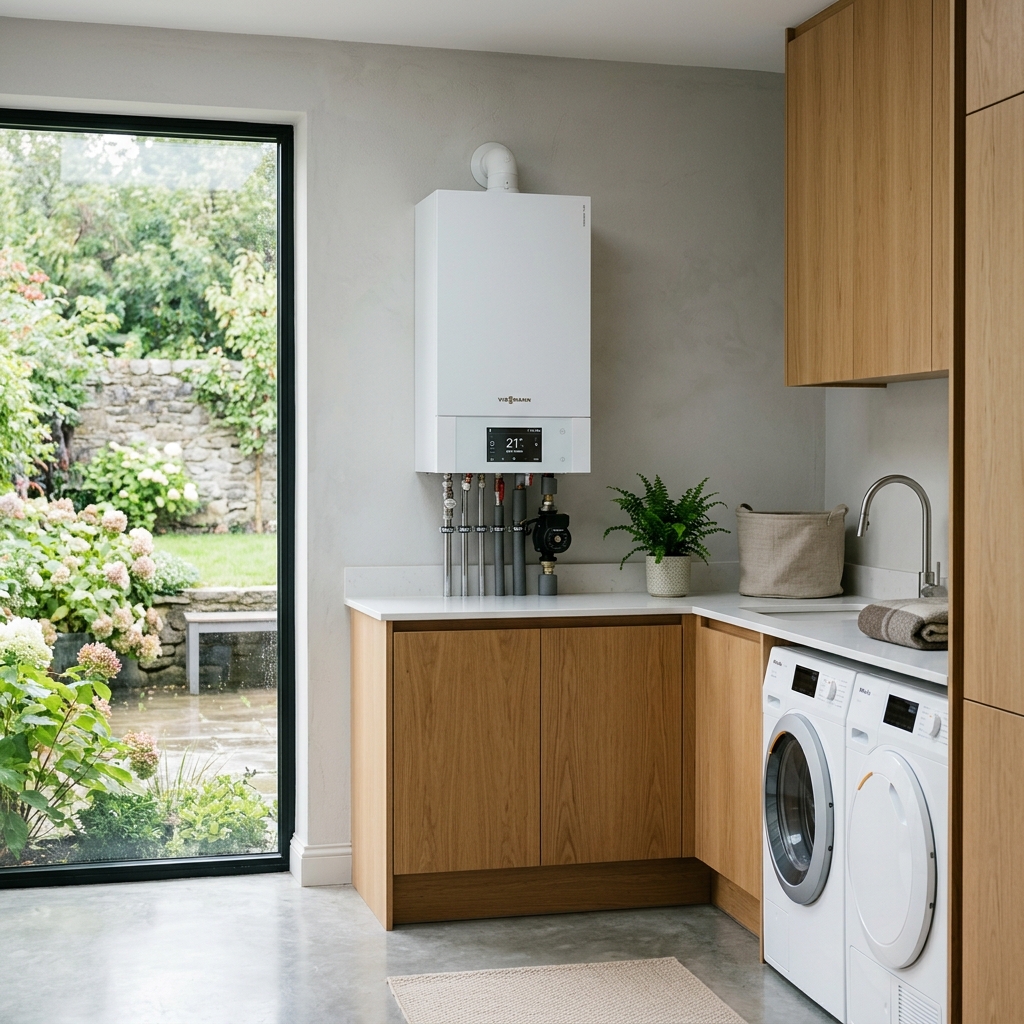
Even if your boiler seems to be working, a 15-year-old unit is technically obsolete compared to modern energy-saving technology. The heating industry has advanced rapidly in the last decade, focusing on smarter controls, better insulation, and more durable materials. A 15-year-old G-rated boiler is simply incapable of matching the performance of a modern A-rated condensing unit.
Furthermore, sourcing replacement parts for older models becomes increasingly difficult and expensive over time. Manufacturers eventually stop supporting older lines, meaning a simple failed valve could lead to a permanent shutdown if a part cannot be found. Upgrading proactively allows you to choose the right model on your own terms rather than being forced into a hurried decision during a mid-winter breakdown when demand for plumbers in Galway is at its peak.
7. SEAI Grants: How much can you save?
One of the best reasons to upgrade your heating system in 2026 is the availability of government support through the Sustainable Energy Authority of Ireland (SEAI). While direct grants for gas/oil boilers have phased out in favor of heat pumps, you can still avail of substantial grants for **Heating Controls with Digital Scheduling**. This typically includes a grant of **€700** towards the cost of professional installation.
By upgrading your controls at the same time as your boiler, you can create a 'zoned' system—allowing you to heat your hot water independently of your radiators, or your upstairs independently of downstairs. This is the single most effective way to cut your heating bills after the boiler itself is replaced. For those in older Galway homes, you might also look into the "One Stop Shop" service for a full energy retrofit. Find more details on the SEAI official website.
8. Why 'Power Flushing' is Essential for New Boilers
When B Collins Plumbing installs a new boiler in Galway, we almost always recommend a 'Power Flush' of the existing radiator system. Over the years, sludge (rust and debris) builds up inside your radiators. If you connect a brand-new, high-efficiency boiler to a dirty system, that sludge will quickly enter the new unit, clogging the delicate heat exchanger and potentially voiding your manufacturer's warranty.
A power flush uses a high-velocity, low-pressure machine to clear out this debris, restoring full circulation to your radiators and ensuring your new boiler operates at maximum efficiency from day one. It’s the "final touch" that ensures your investment lasts for the full 15+ years it was designed for.
9. Best Boiler Brands for Galway Homes
When selecting a new boiler, we typically recommend brands with a strong presence and reliable support network in Ireland. Our top picks for 2026 include:
- Worcester Bosch: Known as the "gold standard" in the UK and Ireland for reliability and long-term parts availability.
- Viessmann: German-engineered units that are exceptionally quiet and feature high-grade stainless steel heat exchangers which are more resistant to Galway’s hard water.
- Ideal: Excellent value-for-money, particularly the Logic and Vogue lines, which often come with 10-12 year warranties when installed by a certified professional.
10. Frequently Asked Questions (FAQ)
A standard boiler replacement typically ranges from €2,400 to €3,800. This includes the unit, labor, chemical flush, and balancing the system. The price varies depending on the complexity of the flue and whether you are upgrading to smart controls.
If the repair costs more than €300-400, replacement is usually the better long-term investment. A 12-year-old boiler is nearing the end of its life, and money spent on a major repair is better used towards a new, efficient unit with a 10-year warranty.
A straightforward 'like-for-like' replacement usually takes 1 full working day. If we are moving the boiler location or upgrading from a standard system to a combi/condensing system, it may take 2 days.
Yes, we offer 24/7 emergency response across Galway City and County for boiler failures, leaks, and gas smells. Call us immediately at +353 87 971 0559.